
Gülşah Yılan is an Assistant Professor in Applied Economics at Unitelma Sapienza, where she’s also part of the Bioeconomy in Transition Research Group. Trained as a Chemical Engineer, her research currently sits at the intersection of bioengineering, sustainability and economics.
In her role as Work Package Leader in Rural BioReFarmeries, Gülşah coordinates the tasks focused on assessing the sustainability of green biorefinery models, helping ensure that innovative bio-based solutions are not only environmentally sound but also socially beneficial and economically viable.
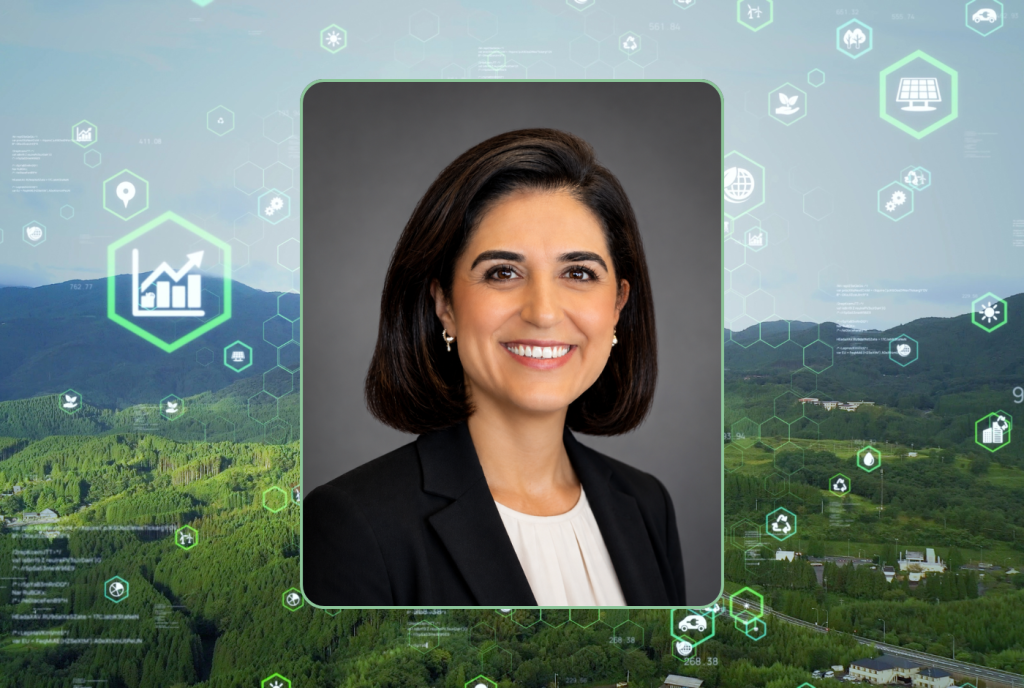
Hi Gülşah. Could you tell us a bit about your academic and professional journey so far?
I have a background in chemical engineering, and during my PhD I specialised in environmental life cycle assessment. At the same time, I worked as a research assistant in the Department of Chemical Engineering at Marmara University for almost eleven years, combining teaching with research.
During my PhD, I became increasingly interested in understanding how economic and social dimensions complement the full picture of environmental assessments, particularly through the lens of the circular economy; that curiosity led me to conduct my postdoctoral research under Professor Piergiuseppe Morone’s guidance at Unitelma Sapienza, where I explored how engineering and economics intersect within the broader sustainability transition.
There are aspects of the natural sciences that have stayed with me, but moving into economics has given me a much broader perspective. I now work alongside researchers from many different disciplines, and I enjoy producing research that considers multiple perspectives – it’s much more enriching.
More recently, I had the opportunity to work as a Project Manager for SUSTRACK, a Horizon Europe project dedicated to guiding policymakers and industries away from a carbon-intensive, fossil-based economy toward sustainable, circular and bio-based systems. This was my first experience working directly with EU-funded initiatives, and I’m now very excited to have joined Rural BioReFarmeries to lead the work behind WP7.
Environmental life cycle assessment is a central part of your expertise. Could you explain what it is and why it’s important?
Environmental life cycle assessment is a methodology used to evaluate the environmental impacts associated with a product or activity throughout its entire life cycle. Rather than looking only at the final product, it considers every stage — from raw material extraction and manufacturing to use and, increasingly, what happens at the end of the product’s life.
With the growing awareness of climate change and resource depletion, this type of assessment has become increasingly important. It helps us understand the true environmental cost of everyday products and activities using scientific models and quantitative methods.
One important lesson from life cycle assessment is that we cannot automatically assume that a bio-based product is always more sustainable. For example, bamboo flooring is often considered environmentally friendly because it’s made from a natural material. However, if it’s produced on the other side of the world and transported long distances, the overall environmental impact may be much higher than consumers realise.
Sustainability is much more complex than simply asking whether something is bio-based or not.
Has the concept of “end of life” always been part of these assessments?
Not to the same extent. Environmental life cycle assessment has existed for several decades, but the growing importance of the circular economy has brought much more attention to what happens after a product has been used.
Today, we understand that waste isn’t simply something to dispose of, it’s also a potential resource. Concepts such as reuse, recycling, regeneration and redesign have become essential parts of sustainability thinking. As global consumption continues to grow, understanding how materials can remain in circulation is becoming more important than ever.
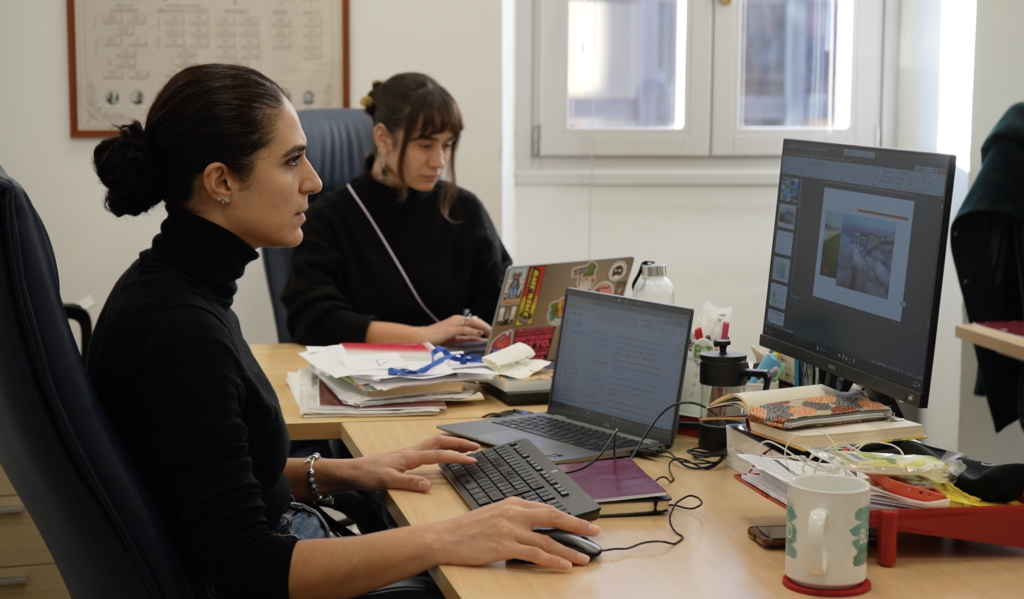
How are you embedding this knowledge into Rural BioReFarmeries?
My team and I at Unitelma Sapienza are responsible for the Social Life Cycle Assessment (S-LCA) of the small-scale green biorefinery models that are being developed within the project.
Just as environmental life cycle assessment measures environmental impacts, social life cycle assessment evaluates the social impacts of a product or production process. We examine how different stakeholders are affected throughout the value chain – that includes workers, local communities, consumers and society as a whole.
For example, we may evaluate working conditions, labour rights, education and awareness initiatives, or consumers’ willingness to adopt and pay for more sustainable products.
Ultimately, we’re trying to understand both the benefits and potential challenges associated with these innovative production systems from a social perspective.
It sounds like your work plays a crucial role in making sure bio-based innovations are genuinely sustainable.
Exactly! The goal isn’t simply to create innovative products, it’s to ensure they truly deliver positive outcomes across environmental, economic and social dimensions.
Sometimes an innovation may perform exceptionally well environmentally but be less economically competitive. In other cases, the greatest benefits may come through supporting rural development, creating employment opportunities or strengthening local communities.
Our assessments provide scientifically robust evidence that allows us to compare different options objectively and understand where the real benefits lie. No solution is perfect yet, but we are definitely moving in the right direction, and that’s encouraging.
True sustainability should balance environmental, economic and social goals – it can sound ambitious, but that’s exactly the challenge we are trying to solve.
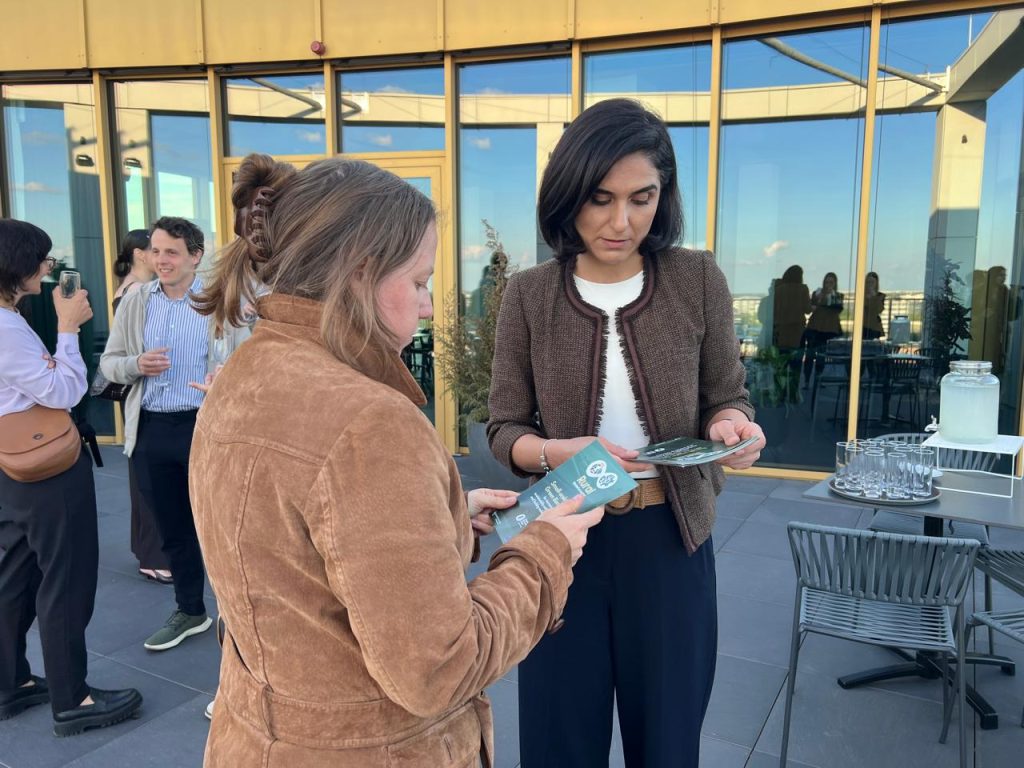
Why do you think now is the right time for a project like Rural BioReFarmeries?
I think awareness around what is going on with our planet has increased enormously.
People are seeing the effects of climate change much more frequently than before, whether through extreme weather events or other environmental challenges. At the same time, we’re becoming more aware of the social impacts associated with global production systems thanks to increased access to information. There’s also growing recognition that we’re approaching planetary boundaries and that our current consumption patterns are unsustainable.
Fortunately, technology is also advancing rapidly, giving us new opportunities to design products and production systems differently — not only to prevent waste, but also to transform waste into valuable new resources.
Another key aspect is that policymakers are also placing much greater emphasis on sustainability. Research projects like Rural BioReFarmeries help provide the scientific evidence needed to support future policies and demonstrate that these innovative solutions are genuinely feasible.
Before joining the project, did you know much about green biorefineries or the potential of grass?
Not at all! I had no idea that grass could be transformed into so many different products.
What impressed me most was its incredible versatility. It can be converted into fertilisers, packaging materials, food ingredients, feed products and many other valuable applications. Coming from a chemical engineering background, I found it fascinating to see how one raw material can generate such a diverse portfolio of products through different technological processes.
I’ve only been part of this project for a few months now, but I’ve really enjoyed learning about grass and how green biorefineries operate, and especially seeing how the consortium partners are working together towards one common goal.
Developing truly sustainable innovations requires expertise from many different disciplines – scientists, engineers, economists and social scientists all contribute different perspectives that are equally important. I believe this is one of the project’s greatest strengths.
Projects like Rural BioReFarmeries show how collaboration across disciplines, countries and cultures can help solve complex challenges that no single field could address alone.
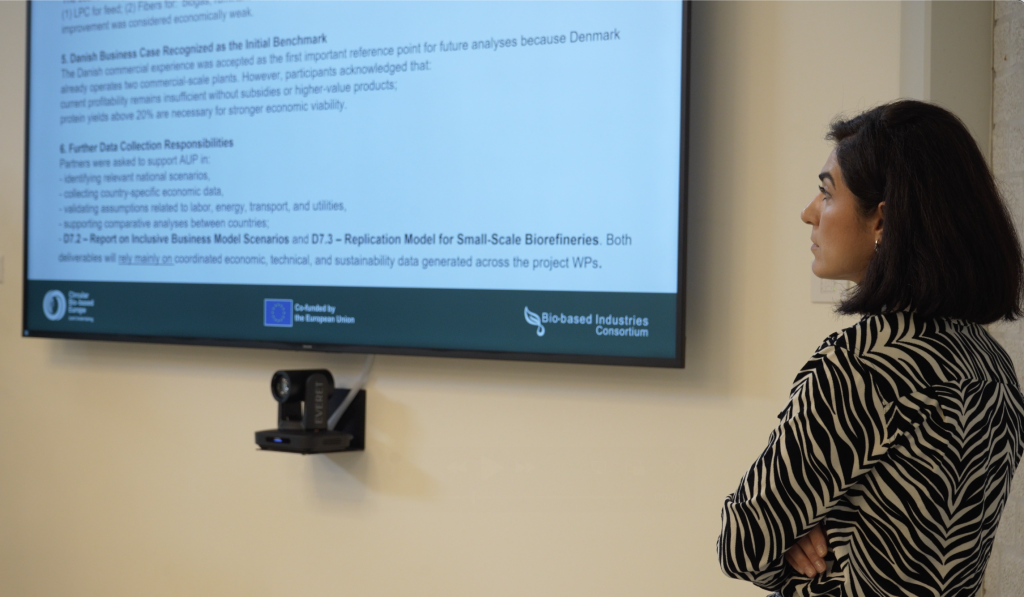
What are you really hoping to see achieved by the end of the project?
Our team has already completed an extensive literature review on sustainability assessment methodologies, which forms an important foundation for our work – and has been a great achievement in itself!
Looking ahead, my biggest hope is that the policy recommendations we develop won’t simply remain as project deliverables sitting on a shelf. I would like them to become actionable knowledge that policymakers, farmers and other stakeholders can actually use to support more sustainable production systems and informed decision-making.
Beyond that, I also hope the project’s educational activities and training programmes help bridge the gap between scientific research and practical implementation. If, at the end of these four years, we’ve contributed to real change — not only through research, but through practical impact — that would be the greatest success for me.