
Following the tradition of meeting in person every 6 months, the Rural BioReFarmeries consortium reunited during the first week of June in The Netherlands, hosted by the partners from Wageningen University & Research – this time, for a very busy and intense (but also fun!) trip.
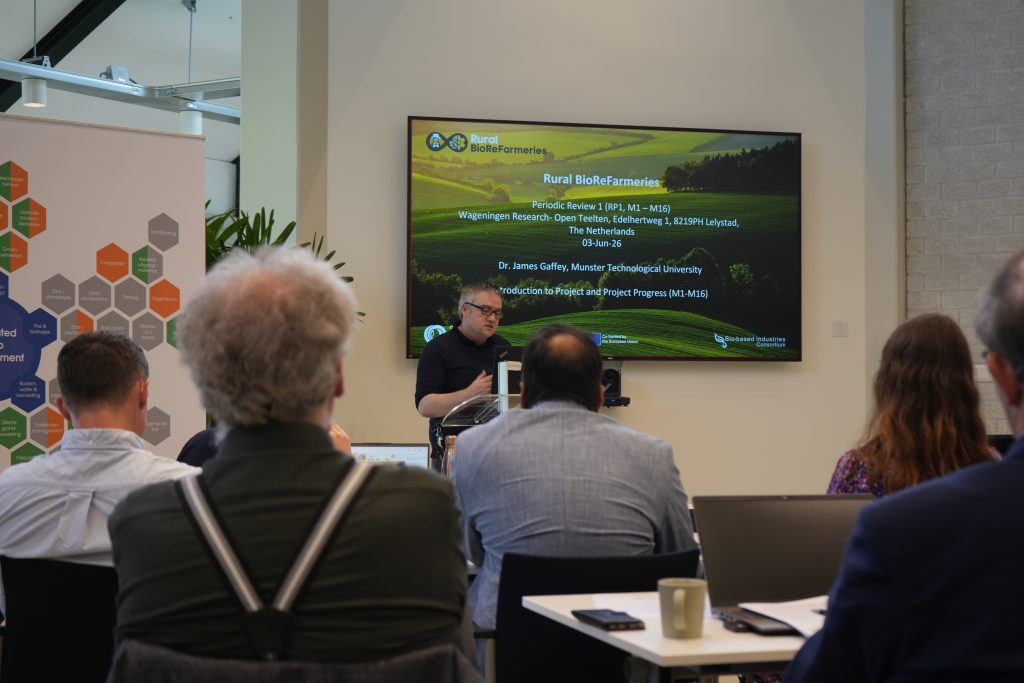
The 3-day gathering started with the first interim review for the project, where all work package leaders presented the progress of their tasks to our CBE JU Project Officer, Luisa Mascia, and two external reviewers. Overall, we received some really great feedback on our work, which has given the consortium even more motivation to carry on as we have done so far.
“It’s been a very successful meeting. We’ve been able to demonstrate how we’ve been scaling up green biorefinery technologies from bench to pilot and demonstration scale. Even though we’re only less than two years into the project, we’re getting some really nice results – in terms of the different protein products for feed and food, and the development of high-value products utilising green biorefinery residues.”
James Gaffey, RBRF Project Coordinator
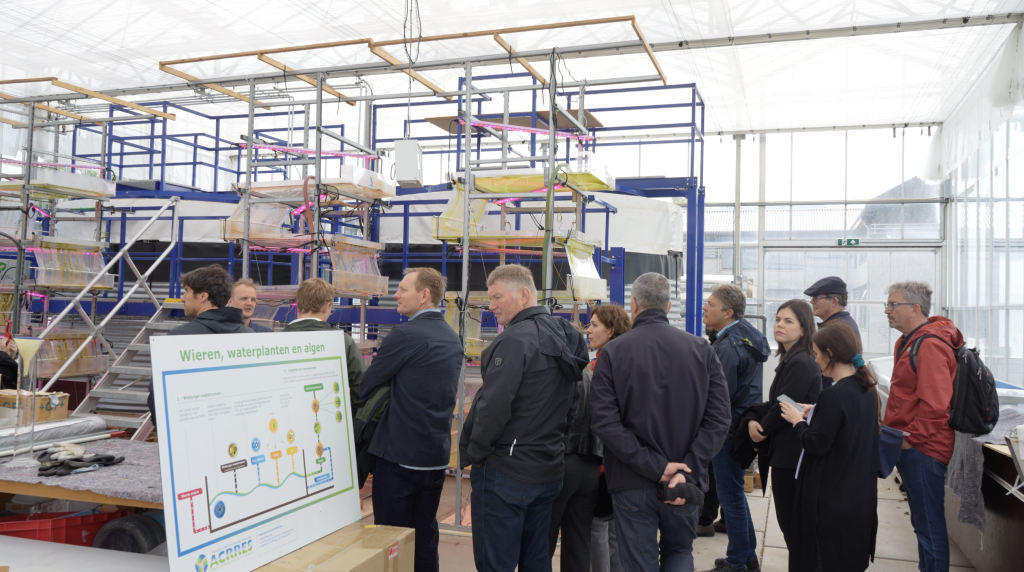
We also got to spend a full day visiting the facilities managed by ACRRES, the application center of renewable resources at, based in Lelystad. As part of their involvement in Rural BioReFarmeries, the team from ACRRES are working closely with two Dutch industry partners: processing grass fibres to develop bio-based packaging with PaperFoam, and testing the use of grass digestate to grow microalgae with AlgaNed.
“We were very pleased to welcome the Rural BioReFarmeries consortium into our facilities. We visited the energy producing systems using the grass from Denmark, Ireland and The Netherlands, where we’re extracting fibres to make bio-based packaging materials. We also showed them around the installations from AlgaNed, where we are testing the use of digestate for the production of microalgae.”
Rommie Van Der Weide, Senior Research at ACRRES / WUR
Another highlight of this trip was the tour around PaperFoam’s HQ and factory, where their team of biotechnologists and specialist researchers are testing the strength, performance and durability of the initial prototypes using grass fibres as the main component in their packaging.
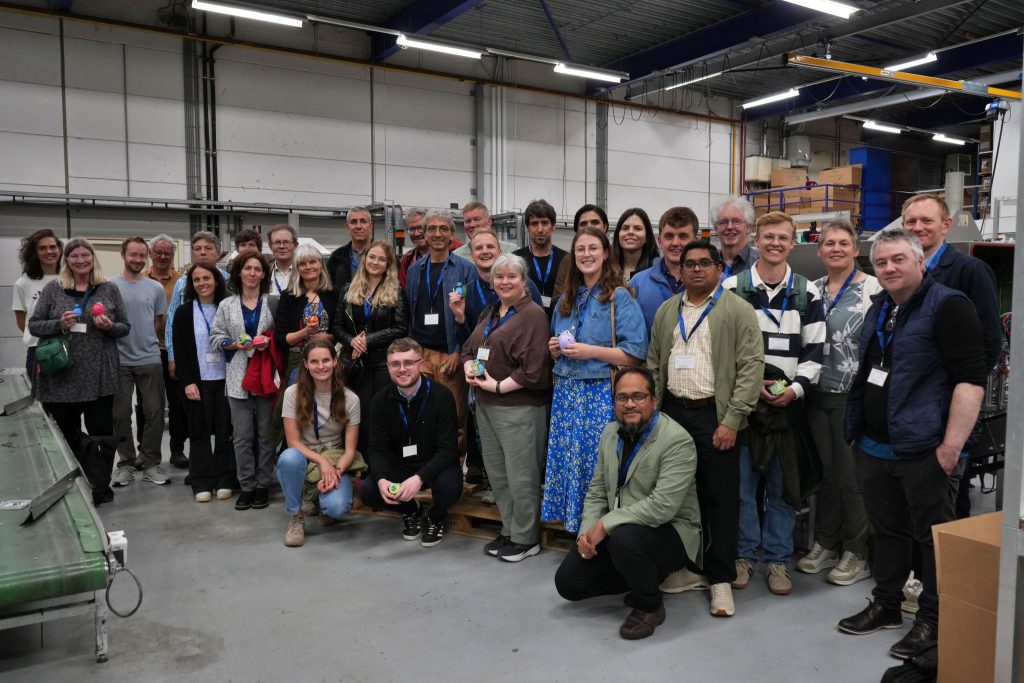
These samples developed during the first year of the project show promising results, and have already demonstrated how grass can be a real contender in the search for more eco-friendly solutions in the packaging industry. These grass trays even took the spotlight during the CBE JU Stakeholder Forum 2026 in Brussels, where they were showcased alongside other bio-based products developed by CBE JU-funded projects.
“The work carried by our Dutch partners, alongside other researchers in the consortium, is a clear example of how sidestreams derived from green biorefinery activities can be valorised to create a full circular system; also, collaborating with companies like PaperFoam and AlgaNed is key to help us translate bioeconomy research into real world applications.”
James Gaffey